Key takeaways
- Babies recognise the sound of their own name at around four and a half months.
- People remember information better when they relate it to themselves, a finding psychologists call the self-reference effect.
- A 2014 study found young children talked more during shared reading when the book was personalised.
- Personalisation helps children want the book again; it doesn't replace reading lots of other books.
Anyone who has read to small children has seen it. A book they’d normally abandon after two pages gets their complete attention the moment their own name turns up in it. It’s tempting to put that down to toddler vanity, but there is some decent research behind why it happens, and it’s useful to know if you’re trying to raise a reader.
A name is a very old signal
Our own name is one of the first words we learn to pick out. In 1995 Denise Mandel, Peter Jusczyk and David Pisoni tested babies of about four and a half months and found they listened longer to their own name than to other names with the same rhythm. Months before they can say it, babies know that sound means them.
Adults never lose this. It’s why your name cuts through a noisy room when a conversation beside you doesn’t. A book that uses a child’s name puts that signal on every page.
We remember what’s about us
In 1977 Tim Rogers, Nicholas Kuiper and William Kirker asked people to judge lists of words in different ways. Words they’d judged in relation to themselves (“does this describe you?”) were remembered better than words judged for meaning or sound. The “self-reference effect” has been replicated many times since, in children as well as adults.
A personalised story nudges children into exactly that kind of thinking. It isn’t a story about Jack climbing a beanstalk. It’s me climbing, and me deciding whether to go into the giant’s castle.
Research on personalised books themselves
Natalia Kucirkova has spent over a decade studying personalised books for young children. In a 2014 paper with David Messer and Kieron Sheehy, children produced more spontaneous talk while sharing a personalised book than a standard one: more comments, more questions, more “that’s me”. Early-literacy researchers pay a lot of attention to that kind of talk during reading.
The same researchers are careful not to oversell it. Personalisation isn’t a reading intervention on its own, and children still need a wide diet of stories about other people and other places. That’s our view too. A personalised book is a very good way in, and a bad reason to stop there.
What it means at bedtime
The biggest practical effect is simple: the child asks for the book again. Repeated reading of the same story is how young children learn vocabulary and the shape of a story, and eventually how they “read” it back to you from the pictures. A book they choose themselves gets read.
Some things that make the most of it:
- Stop and ask. “What do you think you’ll do next?” turns listening into talking, which is the effect the 2014 study picked up.
- Let them tell it. Pre-readers can narrate a book they’re in more easily than one they aren’t.
- Point at their name. It’s often the first word a child reads by sight.
- Talk about feelings. “Were you scared of the giant? What made you brave?”
For a reluctant reader
A child who says they don’t like reading will often read one page aloud if it’s about them. Take turns: they read their page, you read the next.
Does it matter whether the pictures look like them?
The research above is mostly about names and self-relevance. It’s reasonable to expect the effect to be stronger when the child can see themselves as well as hear their name, but we’re not aware of a study that measures that directly, so treat it as our opinion. If you want to compare the two kinds of book, see name-only vs photo-illustrated.
Sources
- Mandel, D. R., Jusczyk, P. W., & Pisoni, D. B. (1995). Infants’ recognition of the sound patterns of their own names. Psychological Science, 6(5), 314–317.
- Rogers, T. B., Kuiper, N. A., & Kirker, W. S. (1977). Self-reference and the encoding of personal information. Journal of Personality and Social Psychology, 35(9), 677–688.
- Kucirkova, N., Messer, D., & Sheehy, K. (2014). The effects of personalisation on young children’s spontaneous speech during shared book reading. Journal of Pragmatics, 71, 45–55.
If you’d like to try it with your own child, you can make a short book on iaminthestory.com with the free credits new accounts get.
Frequently asked questions
Do personalised books help children learn to read?
They help with wanting to read, which matters a lot early on. Children ask for books about themselves over and over, and repeated shared reading builds vocabulary and confidence. They work best alongside plenty of other books.
Is it bad for a child to always be the hero?
Not if it's one book among many. It's also a useful way into conversations about bravery, kindness and trying new things.
When do children recognise themselves in pictures?
Most children recognise themselves in a mirror or photo somewhere between eighteen months and two years.
Pick a fairy tale, add your child
Classic stories children already know by name — each one retold with your child on every page.
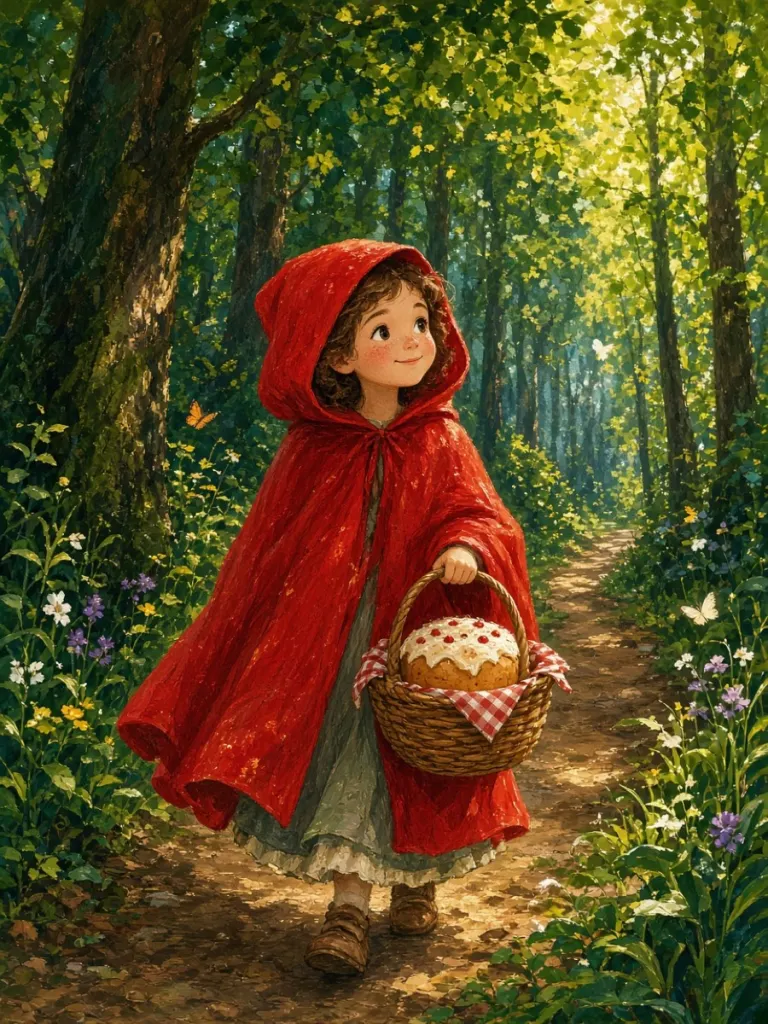
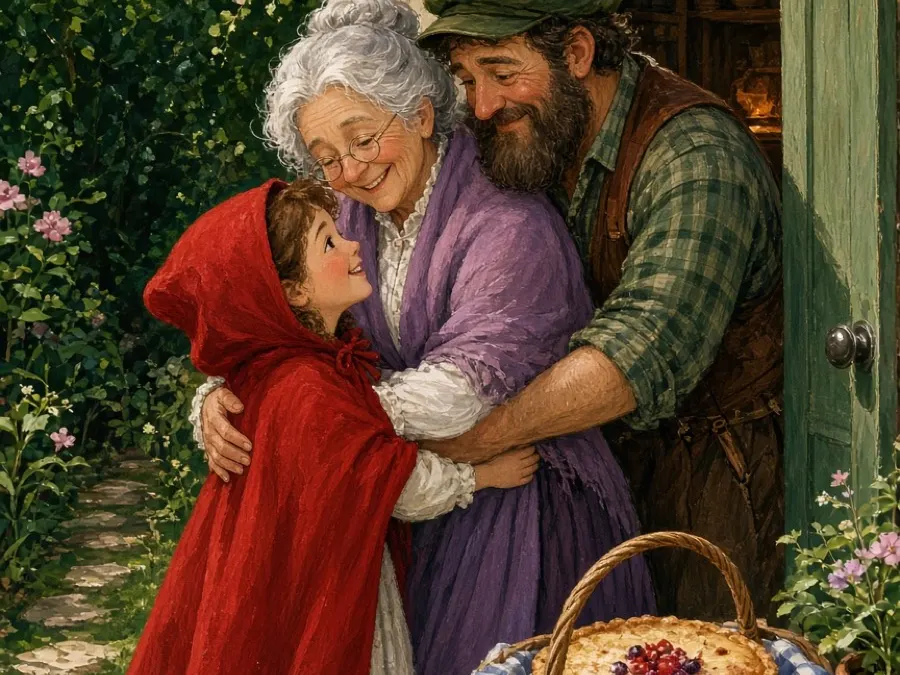
Little Red Riding Hood
Through the woods to grandmother's house
Make this book with your child →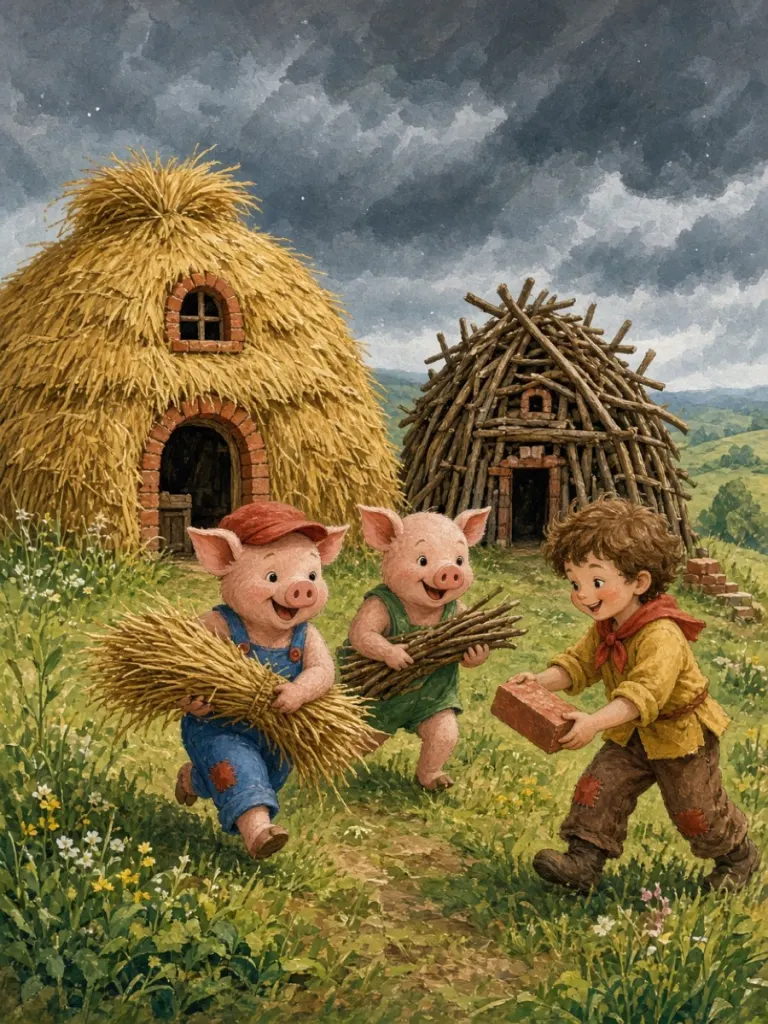
The Three Little Pigs
Straw, sticks, and good solid brick
Make this book with your child →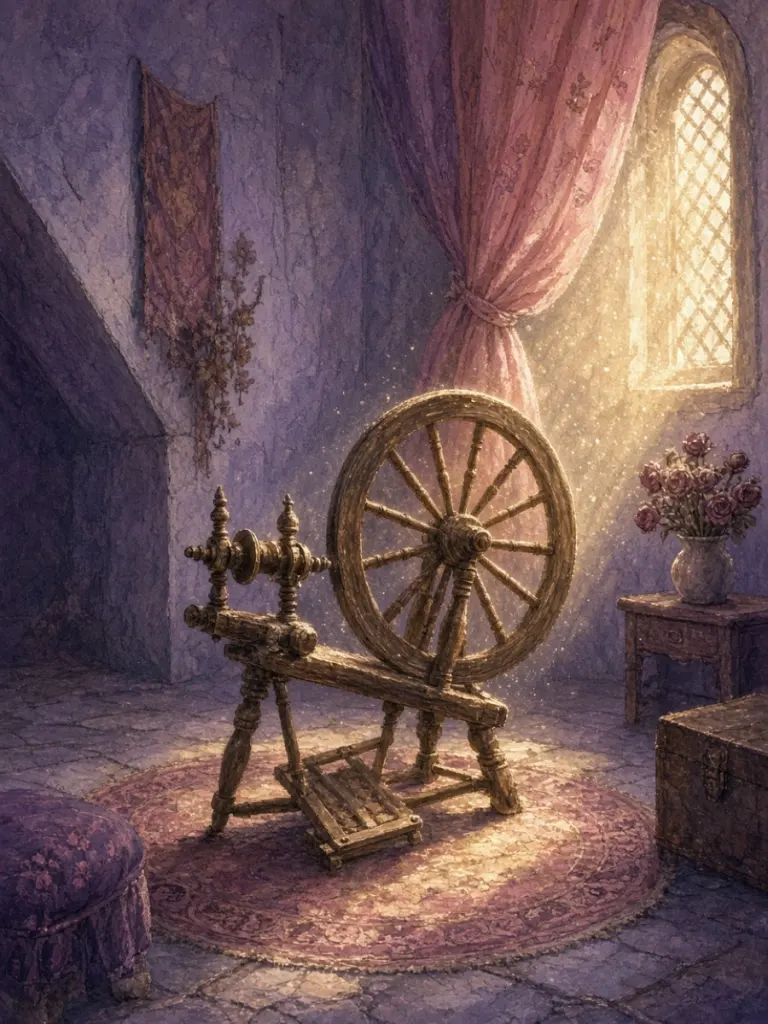
Sleeping Beauty
A hundred-year nap behind walls of roses
Make this book with your child →
Beauty and the Beast
A rose, a castle, and a friendship that breaks the spell
Make this book with your child →